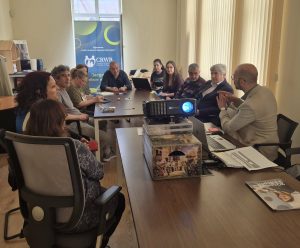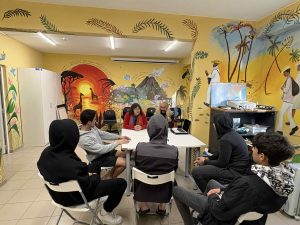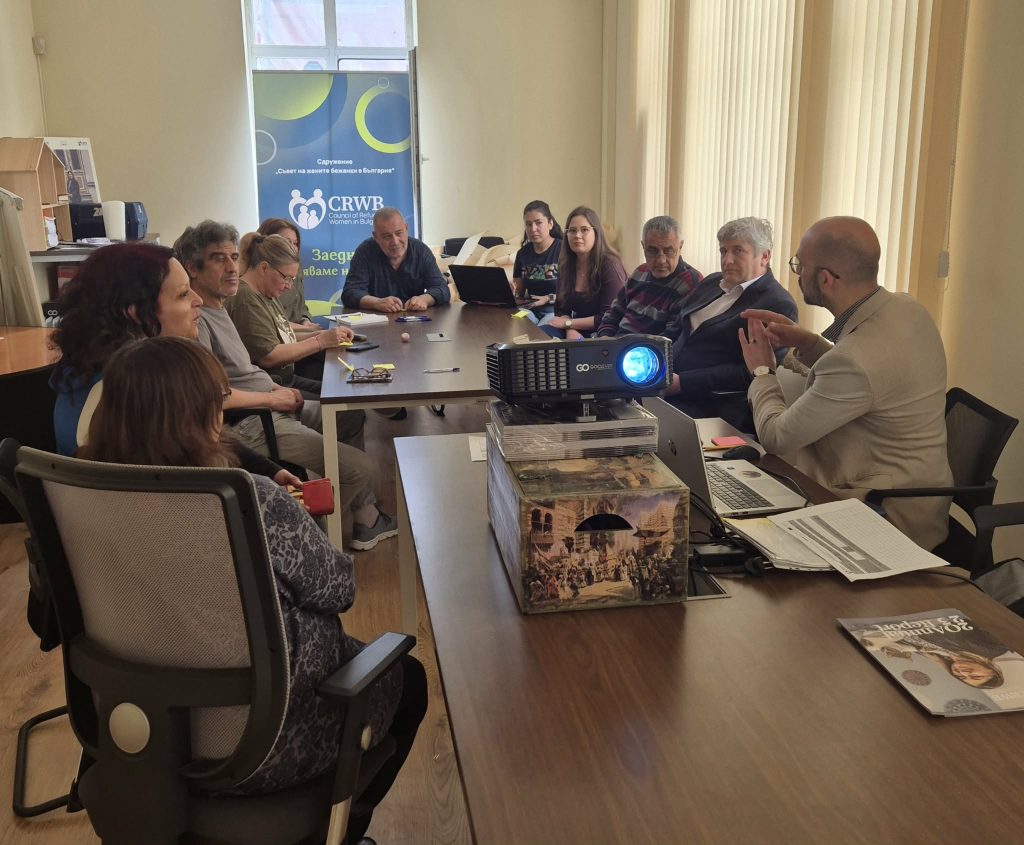
On 28 and 29 April 2026, two training sessions focusing on trauma-informed approaches, emotional regulation, and improving support for children in vulnerable situations were held in Sofia as part of the SAVE – Speak Out Against Violence project.
Facilitated by Boyko Tsenkov, the sessions brought together professionals working with unaccompanied children and other vulnerable groups. Their main objective was to deepen participants’ understanding of how traumatic experiences affect children’s development and behaviour, while promoting practical approaches to providing effective support.
Understanding the Needs Behind Behaviour
A central focus of the training was recognising that children’s behaviour often reflects their experiences, fears, and unmet needs. Reactions such as withdrawal, aggression, or avoidance may serve as protective responses to stress or traumatic experiences.
Participants explored the impact of trauma on emotional regulation, brain development, and the nervous system’s responses to perceived threats. The importance of creating safe environments based on trust, understanding, and predictability was emphasised.
Practical Skills for Support and Crisis Response
Through interactive exercises, discussions, and practical case studies, participants explored strategies for recognising emotional distress, managing conflicts, and providing support following crisis situations.
Special attention was given to appropriate communication when children disclose experiences of violence, preventing re-traumatisation, and ensuring sensitive, individualised responses to each child’s needs.
Supporting Professionals Means Supporting Children
An important part of the training focused on the emotional wellbeing of professionals who work daily with individuals affected by traumatic experiences.
Participants explored self-regulation techniques, early signs of professional burnout, and strategies for preventing secondary trauma. Discussions also highlighted the importance of professional support, supervision, and maintaining a healthy work-life balance.
The two sessions provided valuable opportunities for exchanging experiences, sharing professional challenges, and discussing effective practices.
A trauma-informed approach reminds us that behind every behaviour is a story that deserves to be understood.
Through these training activities, the Daphne CHILD project contributes to strengthening professional capacities and creating safer, more sensitive, and supportive environments for unaccompanied children.
The project is funded by the European Union’s Citizens, Equality, Rights and Values (CERV) Programme under Grant Agreement No. 101138279, within the framework of Daphne-CHILD, in partnership with Eurochild and Terre des hommes.
Eurochild plays a leading role in the project. More information: https://eurochild.org/.
Funded by the European Union. Views and opinions expressed are, however, those of the author(s) only and do not necessarily reflect those of the European Union. Neither the European Union nor the granting authority can be held responsible for them.