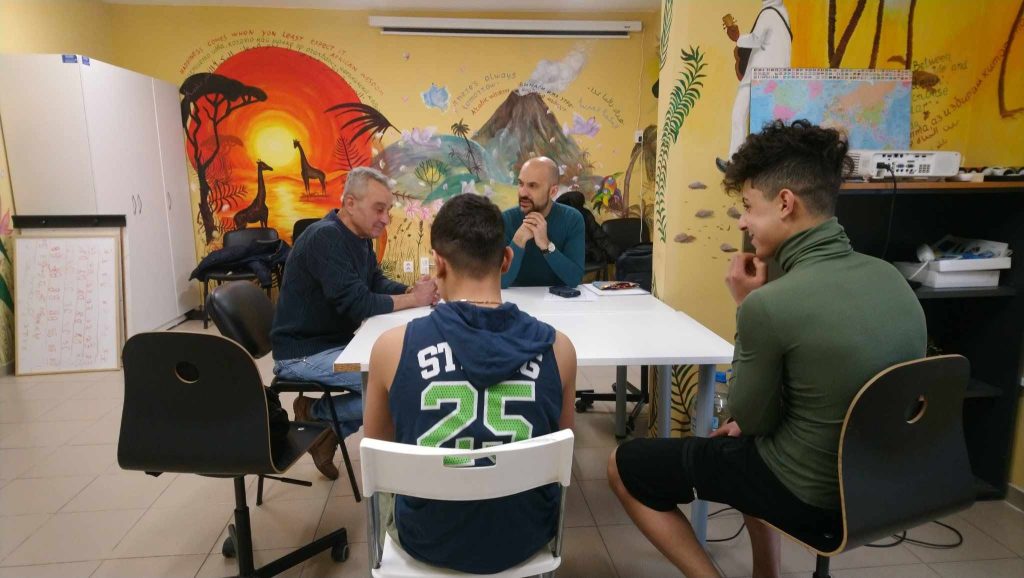
How do we know when we feel anxious, afraid, or angry? Why does our heart beat faster when we experience fear, and how can we help our body relax?
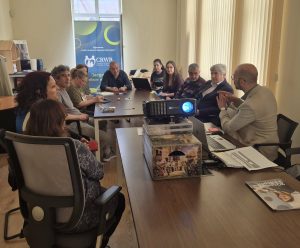
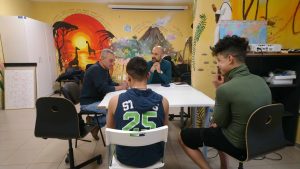
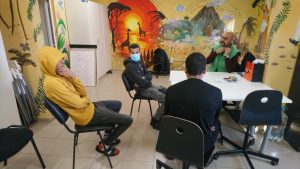
These questions were explored during a group workshop with unaccompanied refugee children, organised by the Council of Refugee Women in Bulgaria (CRWB) at the Safe Zone in Ovcha Kupel, Sofia, as part of the SAVE – Speak Out Against Violence project.
The session focused on the connection between emotions and physical sensations, as well as developing practical skills for managing stress and emotional tension.
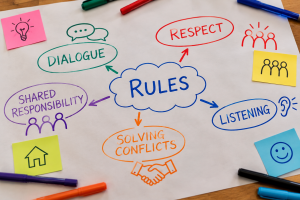
The workshop began with an introductory conversation, during which participants shared their preferences, expectations, and comfort levels within the group. Basic group agreements were also established to encourage participation and open communication.
Children then watched a video in Arabic explaining how emotions manifest through physical reactions and how the body moves between states of tension and relaxation.
During the following discussion, participants explored how different emotions can affect heart rate, muscle tension, and feelings of restlessness. They shared examples from their own experiences involving anxiety, anger, and stress, as well as coping strategies they already use in difficult situations.
Particular attention was given to recognising the body’s signals as an important first step towards understanding and regulating emotions.
In the practical part of the workshop, children were introduced to a deep muscle relaxation technique. Through breathing exercises and the gradual tensing and releasing of different muscle groups, they had the opportunity to practise a concrete method for reducing physical tension.
The group also discussed how this technique can be applied in everyday life, including when dealing with stress, anxiety, and difficulties falling asleep.
The combination of discussion, visual materials, and practical exercises helped participants pay closer attention to their physical reactions and become familiar with accessible self-regulation strategies.
The workshop highlighted that recognising emotions and understanding the body’s signals are important steps towards managing stress and building emotional resilience.
Such activities support unaccompanied refugee children in developing emotional awareness, confidence, and practical coping skills to navigate everyday challenges.
The activity was implemented as part of the SAVE – Speak Out Against Violence project.
This project has received funding from the European Union’s CERV programme under Grant Agreement No 101138279, the Daphne-CHILD programme with Eurochild and Terre des hommes.
Eurochild plays a leading role in the project. For more information, visit: https://eurochild.org/.
Funded by the European Union. Views and opinions expressed are however those of the author(s) only and do not necessarily reflect those of the European Union. Neither the European Union nor the granting authority can be held responsible for them.