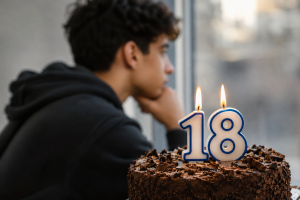
Why do we sometimes overreact to minor situations? How do insufficient sleep and disrupted daily routines affect our mood, concentration, and relationships with others?
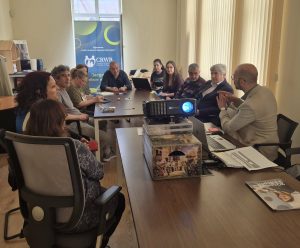
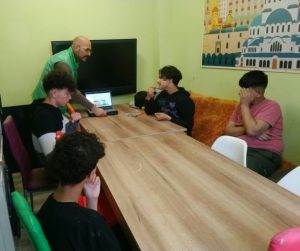
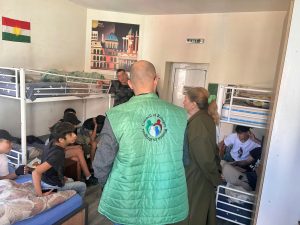
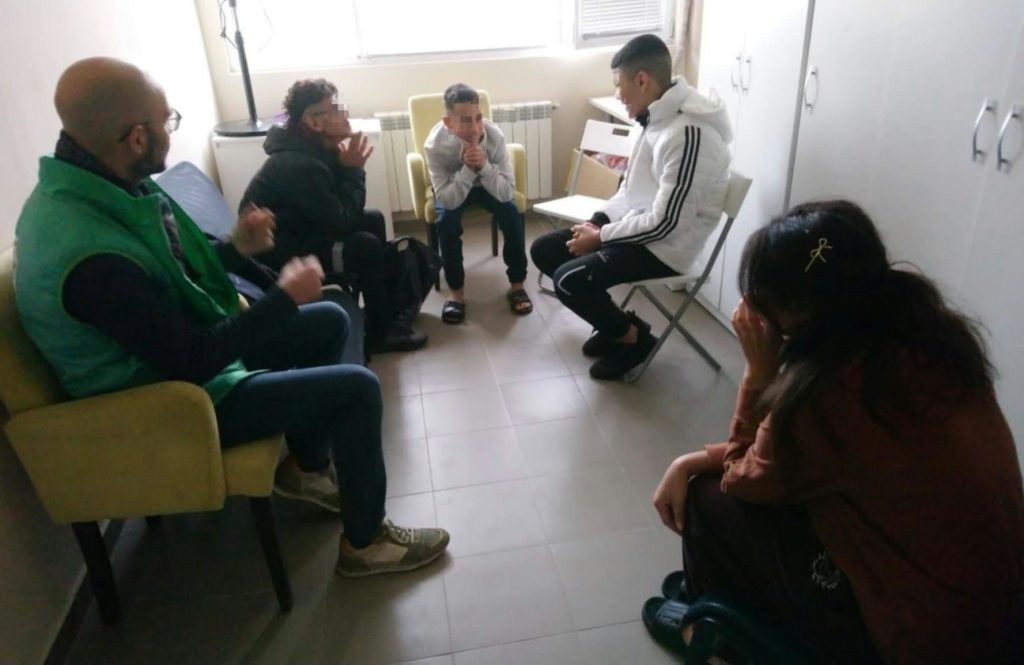
These questions were at the heart of a group workshop with unaccompanied refugee children, organised by the Council of Refugee Women in Bulgaria (CRWB) at the residential care centre on Tsar Simeon Street in Sofia.
The session focused on the connection between everyday habits, emotional well-being, and the ability to manage our reactions.
Daily Routines as a Foundation for Emotional Stability
The discussion began with participants’ everyday experiences — late bedtimes, prolonged phone use, difficulties falling asleep, and daytime tiredness.
The children explored how insufficient sleep can affect mood, concentration, and their ability to cope with stress.
From a psychological perspective, predictable daily routines play an important role. They can provide a sense of safety and stability, particularly for children who have experienced significant change and uncertainty.
Sufficient sleep and consistent daily habits are not simply matters of discipline — they are essential parts of emotional well-being.
When Fatigue Makes Self-Control More Difficult
How do we react when we are exhausted, frustrated, or disagree with others?
Through an interactive game, participants had the opportunity to observe their reactions to competition, disagreement, and tension.
Situations that emerged during the activity became starting points for discussing personal boundaries, mutual respect, and the difference between having fun and behaving in ways that may hurt others.
The discussion highlighted how tiredness can make managing strong emotions more difficult and increase the risk of conflict.
Small Habits Make a Big Difference
During the closing part of the workshop, the children were encouraged to reflect on their behaviour, the importance of listening, and ways of managing frustration.
The session highlighted an important connection: taking care of our sleep, rest, and daily rhythm creates better conditions for emotional self-control and calmer relationships.
For unaccompanied refugee children, predictable daily routines, combined with understanding and support, can provide an important foundation for developing a sense of safety and emotional resilience.
Sometimes, a calmer day begins with the simplest things — enough sleep, rest, and a consistent daily routine.
The activity was implemented as part of the SAVE – Speak Out Against Violence project, supporting unaccompanied refugee children in developing coping skills and creating safer environments.
The project has received funding from the European Union’s Citizens, Equality, Rights and Values (CERV) programme under Grant Agreement No. 101138279, within the framework of Daphne-CHILD with Eurochild and Terre des hommes.
Eurochild plays a leading role in the project. For more information, visit: https://eurochild.org/.
Funded by the European Union. Views and opinions expressed are however those of the author(s) only and do not necessarily reflect those of the European Union. Neither the European Union nor the granting authority can be held responsible for them.