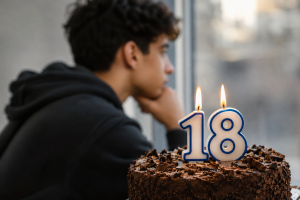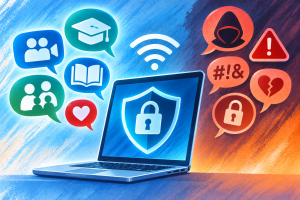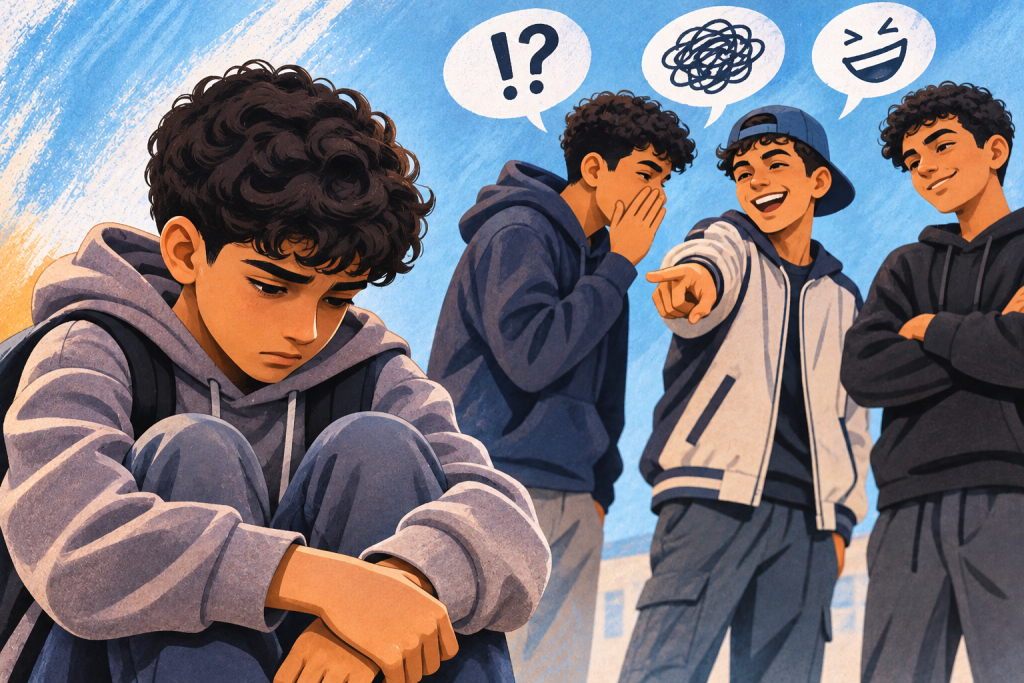
Can words hurt as much as physical actions? When does a joke stop being funny and become a form of humiliation?
Violence does not always leave visible marks. Sometimes, it takes the form of insults, mockery, threats, exclusion, or persistent disregard for others. For unaccompanied refugee children adapting to a new environment, such experiences can intensify feelings of insecurity, loneliness, and mistrust.
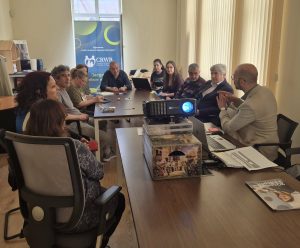
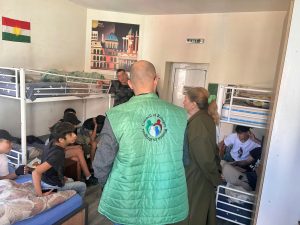
As part of the SAVE – Speak Out Against Violence project, the Council of Refugee Women in Bulgaria (CRWB) works with unaccompanied refugee children to develop communication skills, recognise different forms of violence, and learn constructive ways to manage conflicts.
Conflicts between peers do not always begin with physical aggression. Sometimes, tension arises from a seemingly harmless joke, an offensive remark, or a misunderstanding. Differences in language, cultural background, and personal experiences can also make communication more challenging. Combined with stress and uncertainty, even minor disagreements can escalate into serious conflicts.
This is why it is important for children to recognise when certain behaviour violates another person’s dignity or personal boundaries. Through interactive games, discussions, and practical exercises, they can explore ways to express anger, disagreement, and frustration without resorting to aggression.
Developing empathy is equally important. Understanding that our words and actions can cause fear, shame, or emotional pain is an essential step towards building mutual respect and positive relationships.
For unaccompanied refugee children, a safe environment means more than protection from physical violence. It also means feeling accepted, heard, and respected. Support from trusted adults and the development of non-violent communication skills can help children build healthier relationships and face everyday challenges with greater confidence.
Preventing violence begins with recognising that words matter — and that respect is everyone’s responsibility.
The project has received funding from the European Union’s Citizens, Equality, Rights and Values (CERV) programme under Grant Agreement No. 101138279, within the framework of Daphne-CHILD with Eurochild and Terre des hommes.
Eurochild plays a leading role in the project. For more information, visit: https://eurochild.org/.
Funded by the European Union. Views and opinions expressed are however those of the author(s) only and do not necessarily reflect those of the European Union. Neither the European Union nor the granting authority can be held responsible for them.