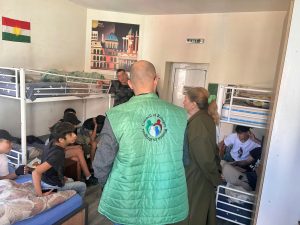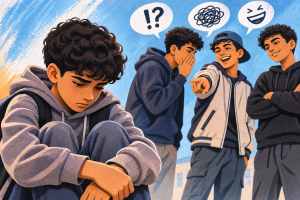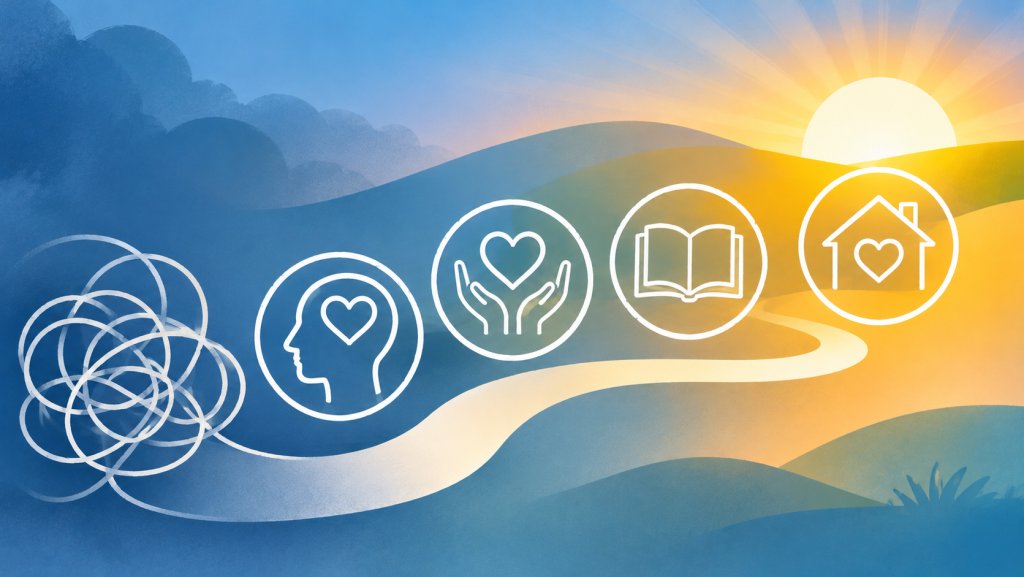
Separation from family, difficult experiences during migration, and adapting to an unfamiliar environment can affect the emotional well-being of unaccompanied refugee children.
Fear, anger, sadness, and uncertainty may sometimes manifest as communication difficulties, conflicts, or withdrawal. Creating a safe and supportive environment is therefore particularly important.
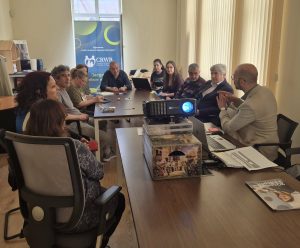
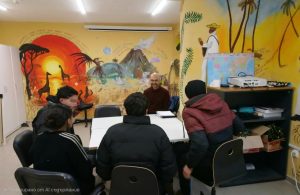
As part of the SAVE – Speak Out Against Violence project, the Council of Refugee Women in Bulgaria organises group workshops focused on recognising emotions, building trust, and developing skills for coping with challenging situations.
Through the different exercises, participants explored different emotional states. Other sessions addressed personal boundaries, rules, conflict resolution, and strategies for managing stress.
The young people also shared what helps them during difficult moments, including faith, connections with trusted people, a sense of community, and familiar daily activities.
Every child needs not only a safe place to live, but also people who listen, understand, and provide support.
The project has received funding from the European Union’s CERV programme under Grant Agreement No. 101138279, through the Daphne-CHILD programme in partnership with Eurochild and Terre des hommes.
Eurochild plays a leading role in the project. For more information, visit: https://eurochild.org/.
Funded by the European Union. Views and opinions expressed are however those of the author(s) only and do not necessarily reflect those of the European Union. Neither the European Union nor the granting authority can be held responsible for them.