Conflicts are part of everyday life, but the way we respond to them can shape our relationships with others. How can we recognise our emotions in difficult situations and manage disagreements without resorting to aggression?
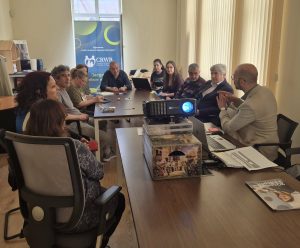
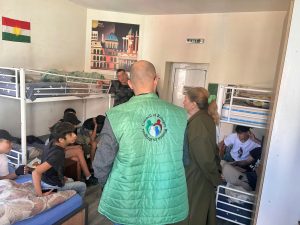
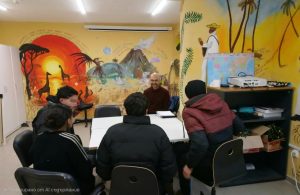
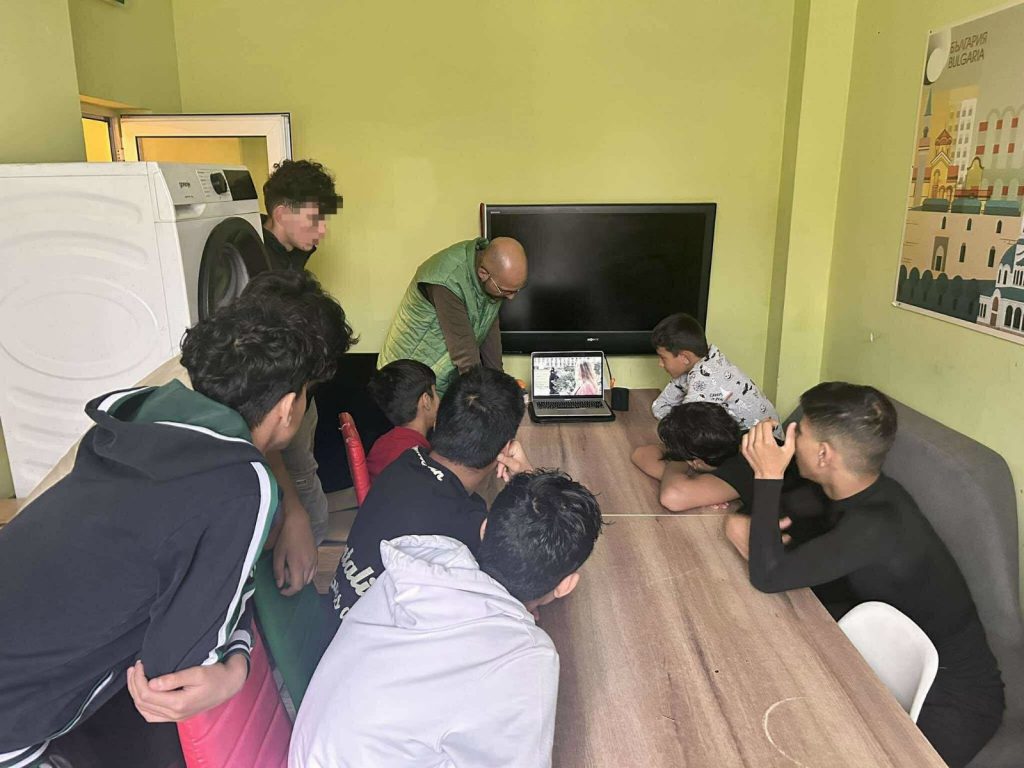
These questions were explored during a group workshop with unaccompanied refugee children, organised by the Council of Refugee Women in Bulgaria (CRWB) at the Family-Type Accommodation Centre in Sofia, as part of the SAVE – Speak Out Against Violence project.
The workshop began with an open discussion about emotions and the everyday challenges children face. Participants shared examples of conflicts at school, difficulties in peer relationships, and situations in which they felt misunderstood or restricted.
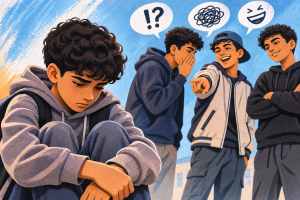
Through group discussions and practical examples, children explored the connection between conflict and emotions such as anger, fear, frustration, and helplessness. Particular attention was given to the difference between being “trapped” in a conflict and learning how to manage it.
Participants discussed different reactions to stressful situations, including shouting, withdrawing, or physical confrontation, and considered alternative responses such as staying calm, stepping away, and seeking support.
The workshop revealed that some children primarily associate conflict with anger, punishment, and loss of control, highlighting the need for continued support in developing constructive conflict-resolution skills.
Despite varying levels of motivation and engagement, the session provided an opportunity for open discussion and initial steps towards greater awareness of personal reactions.
Developing conflict-management skills is particularly important for unaccompanied refugee children, as it supports emotional resilience, communication, and relationships based on respect and mutual understanding.
About the Project
The activity was implemented as part of the SAVE – Speak Out Against Violence project.
This project has received funding from the European Union’s CERV programme under Grant Agreement No 101138279, the Daphne-CHILD programme with Eurochild and Terre des hommes.
Eurochild plays a leading role in the project. For more information, visit: https://eurochild.org/.Funded by the European Union. Views and opinions expressed are however those of the author(s) only and do not necessarily reflect those of the European Union. Neither the European Union nor the granting authority can be held responsible for them.